
Nothing prepares us for the death of someone we love. Whether the loss is sudden or expected, grief can feel overwhelming, disorientating, and deeply personal. The death of a spouse, parent, child, sibling, or close friend changes life in ways that are difficult to describe until experienced firsthand.
For families, singles, and retirees, tragedy often brings an emotional flood of memories, unanswered questions, and painful reflections. Thoughts of final conversations, missed opportunities, and words left unsaid can weigh heavily on the heart.
In moments like these, mortality becomes impossible to ignore. Yet even in the midst of heartbreak, tragedy can remind us of something profoundly human — the importance of connection, compassion, and coming together.
Grief Has No Formula
One of the most difficult realities about grief is that there is no single “correct” way to experience it. Every individual responds differently to death and loss.
Some people openly express emotion, while others process grief quietly and privately. Some seek support immediately, while others need time and space before speaking about their pain.
Grief may include:
- Sadness
- Anger
- Fear
- Confusion
- Regret
- Emotional numbness
- Anxiety about the future
These responses are all natural. Loss affects people differently depending on their relationship with the person who died, the circumstances of the death, and their own emotional experiences.
Why Death Shakes Us So Deeply
Death forces us to confront the fragility of life and the reality that time with loved ones is limited. It interrupts routines, changes family structures, and creates emotional gaps that can feel impossible to fill.
The sudden loss of a loved one often leaves people asking difficult questions:
- Why did this happen?
- Could I have done more?
- How do I move forward?
- How do I support others while grieving myself?
These questions rarely have simple answers. Grief is not something to “fix” quickly. Instead, it is something people gradually learn to carry while rebuilding their lives over time.
The Importance of Human Connection
Although grief can feel isolating, tragedy often reveals the strength of community and shared humanity.
People come together in many ways after loss:
- Supporting grieving families
- Sharing memories and stories
- Attending memorials or prayer vigils
- Offering meals or practical assistance
- Creating online tributes and messages of support
Modern society has also changed how people express grief. Some individuals grieve publicly through social media and community gatherings, while others prefer private reflection. Both approaches are valid.
What matters most is that people feel supported, heard, and connected during difficult times.
Helping Children Navigate Loss
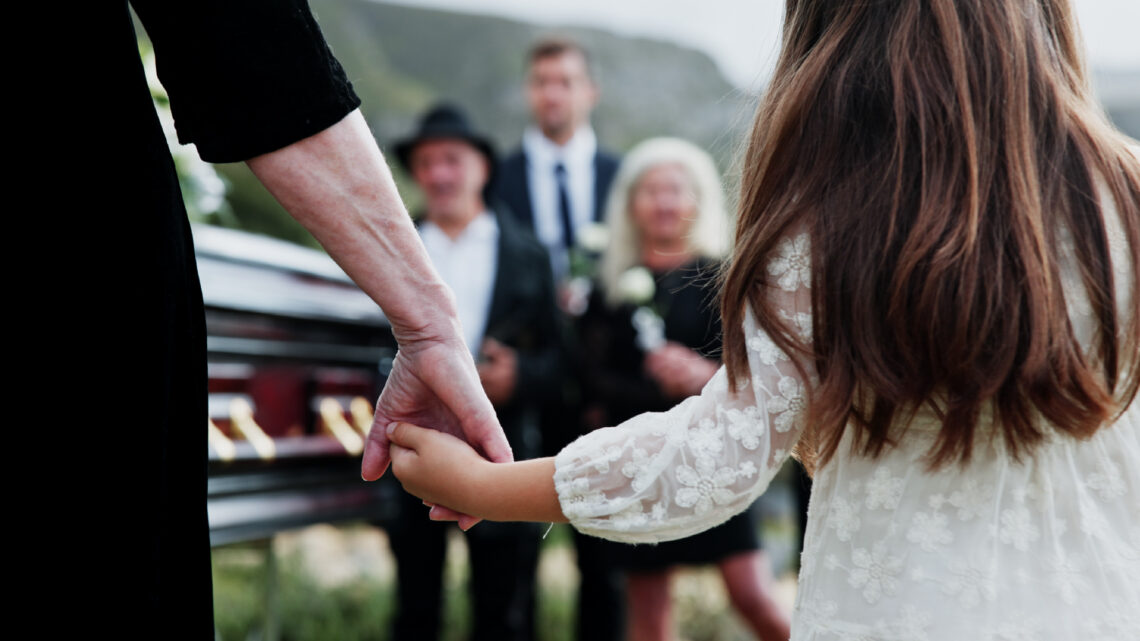
For children, the death of a loved one may be their first experience with grief and mortality. Because children process emotions differently from adults, they may struggle to understand what has happened.
Children may react through:
- Silence or withdrawal
- Questions about death
- Fear or anxiety
- Changes in behaviour
- Emotional outbursts
Honest, age-appropriate conversations can help children feel safe and supported. Families should encourage open communication while allowing children to express emotions in their own way.
Mortality Can Change How We View Life
Tragedy often shifts perspective. In the aftermath of loss, people frequently begin reflecting more deeply on life, relationships, and personal values.
Many individuals start asking:
- How can I live more meaningfully?
- Am I prioritising what truly matters?
- How do I show appreciation to the people I love?
- What legacy will I leave behind?
Although grief is painful, it can also inspire greater empathy, compassion, and intentional living.
Planning and Conversations Matter
While no amount of planning removes the pain of loss, conversations about mortality and practical preparation can help reduce uncertainty during difficult times.
Discussing topics such as:
- Estate planning
- Funeral wishes
- Healthcare decisions
- Last Wills and Testaments
- Financial responsibilities
can help loved ones feel more prepared and supported when tragedy occurs.
Moving Forward Together
Death reminds us how deeply connected we are to one another. Even in grief, people often discover strength through family, friendship, community, and shared compassion.
For families, singles, and retirees alike, coming together after tragedy helps create healing, understanding, and hope during life’s most difficult moments.
👉 Learn more in our guide: Break the Taboo: Why Families Should Talk About Death