
Introduction
Legacy is more than wealth—it is the lasting impact you leave behind. For professionals, building a legacy often takes years of dedication, discipline, and strategic decision-making. However, without proper planning, that legacy can quickly become a source of conflict and uncertainty.
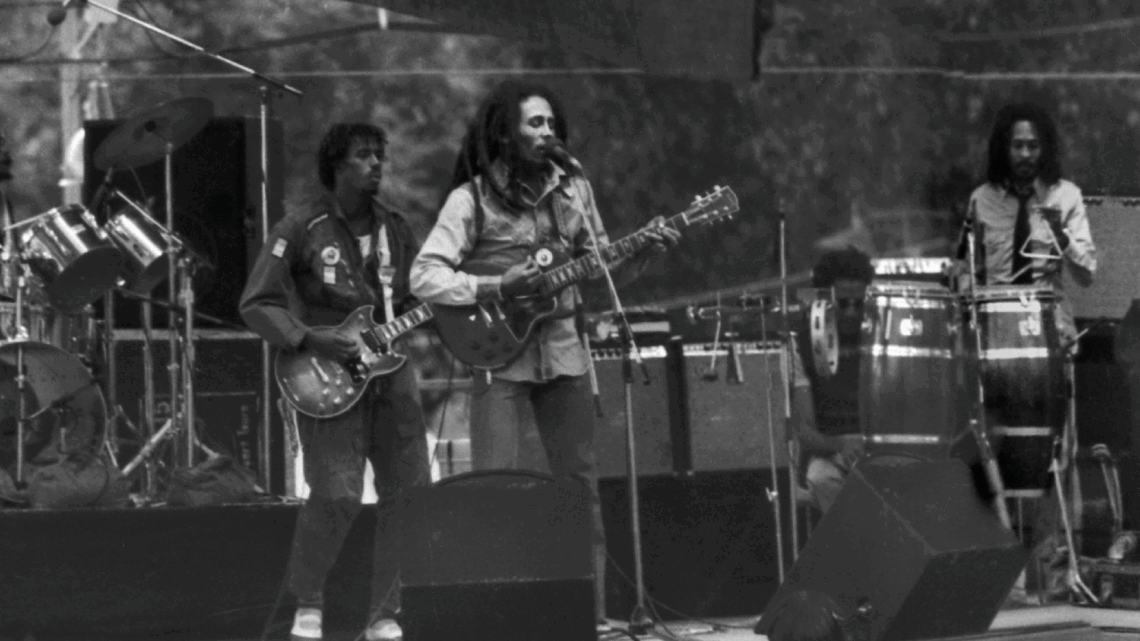
The story of Bob Marley serves as a powerful reminder that even global success does not guarantee a secure legacy.
What Is Legacy Planning?
Legacy planning is the process of structuring your financial, legal, and personal affairs to ensure your assets, values, and intentions are preserved for future generations.
For professionals, this often includes:
- Wills and estate structures
- Business succession planning
- Intellectual property and asset protection
- Family wealth distribution strategies
Without a clear plan, even the most successful careers can leave behind unintended consequences.
The Bob Marley Case: A Legacy Without a Will
When Bob Marley passed away in 1981 at just 36 years old, he died without a valid will. This meant his estate was handled under intestate succession laws, removing control over how his assets would be distributed.
Despite his global influence and valuable music catalogue, the absence of a formal estate plan created long-term complications.
Key Challenges That Emerged
1. Complex Family Dynamics
Marley left behind a wife, Rita, and 11 children from various relationships. While they were recognised as legal heirs, the lack of clear instructions led to disputes around inheritance and control.
2. Legal Battles and Disputes
The estate became entangled in prolonged legal challenges, including:
- Disagreements over estate administration
- Allegations of forgery and fraud involving advisors
- Conflicts over the use of his name and likeness
These issues created financial strain and prolonged uncertainty for his beneficiaries.
3. Intellectual Property Complications
Marley’s music catalogue remains one of the most valuable aspects of his legacy. However, managing copyrights, royalties, and publishing rights without clear direction led to ongoing disputes and operational challenges.
4. Ongoing Estate Issues
Decades later, legal and commercial issues surrounding his estate continue—demonstrating how the absence of proper planning can have lasting consequences across generations.
Key Lessons for Professionals
✔ The Importance of a Will
A legally valid will ensures your assets are distributed according to your wishes. Without one, the law determines outcomes—often in ways that may not align with your intentions.
✔ Protecting Your Legacy from Conflict
Unclear or absent planning can lead to family disputes, reputational risks, and financial loss. A structured estate plan reduces ambiguity and protects relationships.
✔ Maintaining Control Over Your Assets
Legacy planning allows you to define how your wealth, business interests, and intellectual property are managed. Without it, control shifts to the courts.
✔ Privacy and Efficiency
Dying without a will often triggers a legal process that can expose financial details to the public. Proper planning helps maintain privacy and streamline estate administration.
Why Legacy Planning Matters for Professionals
Professionals often accumulate complex assets—business interests, investments, intellectual property, and personal wealth. These require careful planning to ensure continuity and protection.
Legacy planning is not just about financial distribution—it is about preserving your life’s work, protecting your family, and ensuring your values endure.
Conclusion
The legacy of Bob Marley continues to inspire millions worldwide. However, his estate highlights a critical lesson: success without structure can lead to unintended consequences.
For professionals, legacy planning is essential. By putting a clear estate plan in place, you protect not only your assets but also the people and purpose behind everything you’ve built.
From Estate Planning to Legacy Building
Estate planning focuses on the distribution of assets, while legacy planning goes further—encompassing your values, long-term impact, and the preservation of wealth across generations. For professionals, this distinction is critical.
Even globally recognised figures like Bob Marley required a structured financial framework to ensure clarity, continuity, and protection of their legacy. Without proper planning, uncertainty can lead to disputes, delays, and unintended consequences.
Your legacy deserves more than uncertainty. Take control by implementing a structured estate plan that safeguards your assets, protects your family, and aligns with your long-term vision. Building a meaningful legacy starts with you.
👉 Explore the next step: Legacy Builders: How Generational Wealth Starts With You