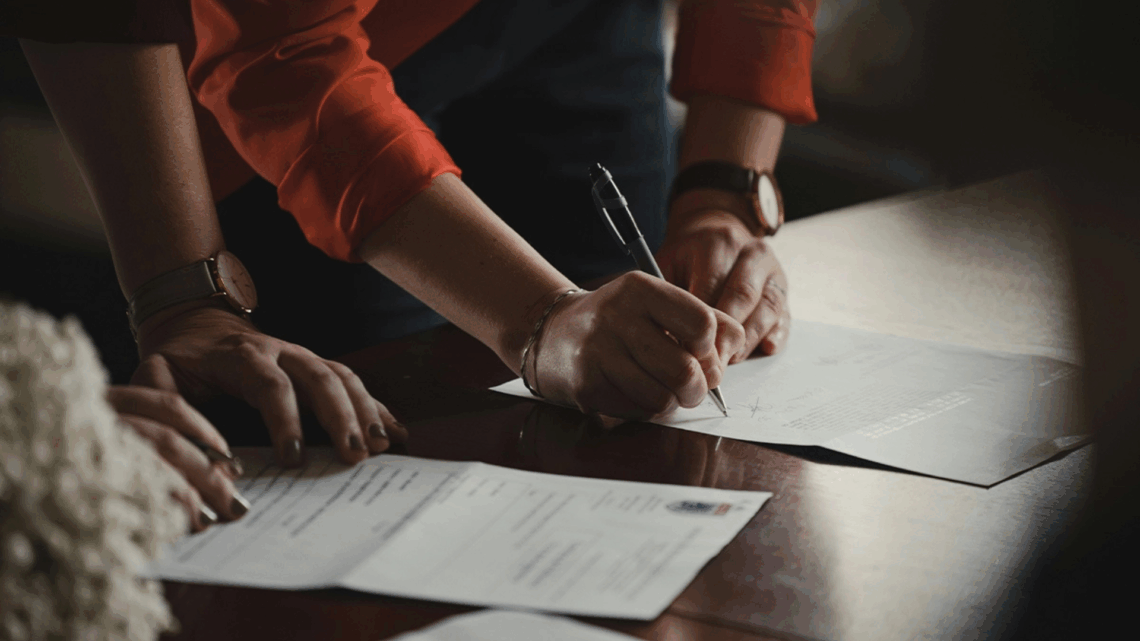
For a will to be valid, it must be signed in front of the right people. The law requires two witnesses who are at least 14 years old. They must be of sound mind and understand that they are witnessing the signing of a will. Both witnesses need to be present at the same time, watch the testator (the person making the will) sign, and then sign the will themselves immediately afterwards.
It is very important to know who should not act as a witness. A beneficiary, or the spouse of a beneficiary, should never witness a will. This can create a conflict of interest and may invalidate the will or the inheritance of that beneficiary. It is also best to avoid using close relatives of beneficiaries, anyone with an interest in the estate, or anyone who does not fully understand what it means to witness a will.
The safest option is to choose independent witnesses who have no link to the testator or the beneficiaries. Ideally, the will should also be drafted and signed under the guidance of a professional, who can make sure all legal requirements are met.
Witnesses play an important role in confirming that the testator signed the will willingly and knowingly. Their signatures help prevent fraud and reduce the risk of disputes about the document’s authenticity.
If a will is not witnessed correctly, it may be declared invalid by the court. This can cause delays, complications, and in some cases the estate may be distributed under intestacy laws, as if no will had been written. This outcome could go against the deceased’s final wishes.