Introduction
In South Africa, having the correct people witness a will is essential to ensure its legal validity. Witnesses play a critical role in confirming that the testator signed the will voluntarily and competently. Choosing the wrong witnesses can lead to disputes, delays, or even the invalidation of your will.
This guide explains who should and should not witness a will, best practices, and why witnesses are so important.
Who Should Witness a Will?
To be legally valid, a will in South Africa must be signed in the presence of two competent witnesses. Here’s what you need to know:
1. Two Competent Witnesses
The will must be signed in the presence of two witnesses who are mentally capable of understanding the act of witnessing.
2. Age Requirement
Witnesses must be at least 14 years old.
3. Mental Capacity
Witnesses must be mentally capable of understanding that they are witnessing the signing of a will.
4. Presence During Signing
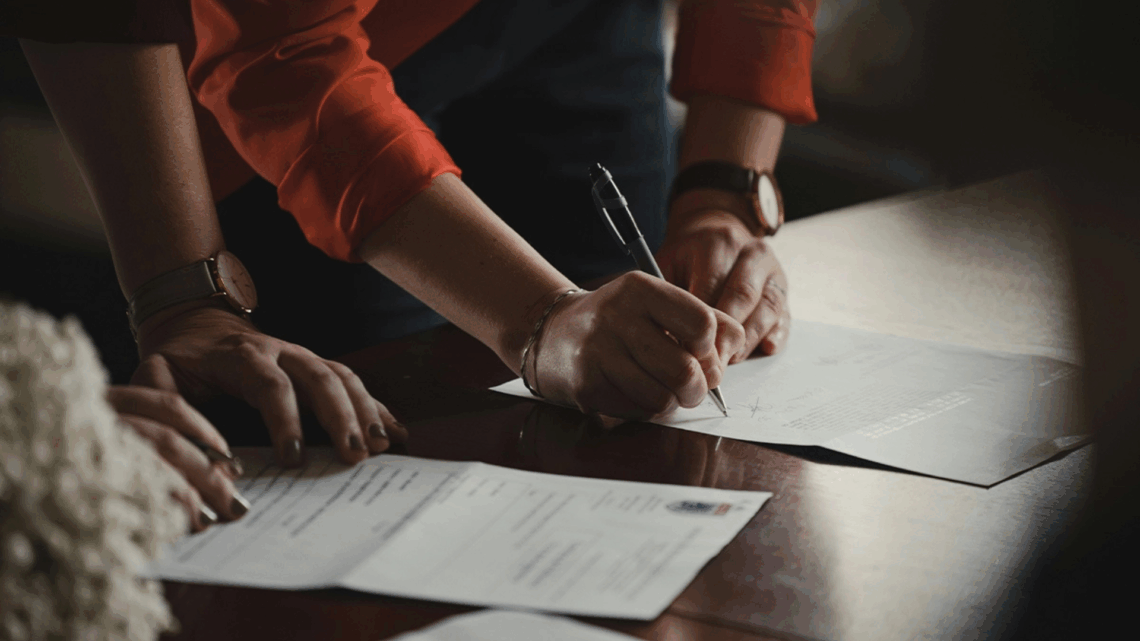
Both witnesses must be present at the same time when the testator signs the will, and they must see the testator sign.
5. Signatures
Witnesses must sign the will immediately after the testator, in the presence of the testator and each other.
Who Should Not Witness a Will
Certain individuals cannot or should not witness a will due to conflicts of interest or legal restrictions:
- Beneficiaries: Anyone who stands to inherit from the will (or their spouse) should not witness the will. Doing so can invalidate their inheritance.
- Family Members of Beneficiaries: Close relatives of beneficiaries are generally advised not to act as witnesses.
- Anyone with an Interest: Anyone who has a financial or personal interest in the estate should avoid witnessing.
- People Who Don’t Understand: Witnesses must understand that they are witnessing a will. They do not need to know the contents but must grasp the nature of the act.
Best Practices for Witnessing a Will
- Independent Witnesses: Use witnesses who are completely independent of the testator and beneficiaries to avoid disputes or claims of undue influence.
- Professional Assistance: Having a will drafted and witnessed under the supervision of a legal professional ensures all requirements are met.
Why Are Witnesses Important?
Witnesses ensure the validity and authenticity of a will. Their signatures confirm that:
- The testator signed the will willingly
- The testator was competent
- The signing was done in proper legal form
This helps prevent fraud or disputes over the will’s authenticity.
Consequences of Improper Witnessing
If a will is not witnessed correctly, the court can declare it invalid, which can result in:
- Complications and delays in estate administration
- Distribution of assets according to intestacy laws (as if no will existed)
- Potential disputes among family members or beneficiaries
Proper witnessing ensures your wishes are respected and reduces the risk of legal challenges.
In conclusion, ensuring a will is witnessed correctly is crucial. If a will is not witnessed correctly, it may be declared invalid by the court. This can cause delays, complications, and in some cases the estate may be distributed under intestacy laws, as if no will had been written. This outcome could go against the deceased’s final wishes. Taking care to select the right witnesses and following legal requirements helps protect your intentions and provides peace of mind for you and your loved ones.