
Introduction
An heirloom is more than just an object passed down through generations. It is a living connection between the past, present, and future — carrying memories, stories, and emotional significance.
While some heirlooms are valuable antiques worth a fortune, many hold little monetary value. Yet, their importance lies in the meaning they carry for those who treasure them. These cherished items remind us of where we come from and inspire us to preserve our family history for generations to come.
Heirlooms serve as tangible links to the past, helping families maintain traditions, values, and identity in an ever-changing world.
What Is an Heirloom?
A family heirloom is any item, story, or tradition passed from one generation to the next.
Heirlooms can be:
- Physical objects
- Written records
- Creative works
- Shared experiences
- Oral histories
Their true worth is found in the emotional bonds and memories they represent rather than their market price.
Whether ancient or recent, heirlooms connect generations and help preserve a family’s unique story.
Why Heirlooms Matter in Modern Families
In a fast-paced digital world, heirlooms offer stability and continuity.
They play a vital role in:
Preserving Family History
Heirlooms capture moments in time and safeguard personal histories that may otherwise be forgotten.
Strengthening Identity and Belonging
Knowing where you come from builds confidence and a sense of purpose. Heirlooms remind family members that they are part of something larger than themselves.
Encouraging Intergenerational Connection
Passing down cherished items creates meaningful conversations between generations and strengthens family bonds.
Creating Emotional Security
Heirlooms provide comfort during times of change, reminding families of enduring love and resilience.
Common Types of Family Heirlooms
Heirlooms come in many forms. Below are some of the most meaningful examples found in families.
Land or Family Home
Property passed through generations often becomes a symbol of stability and heritage. A multi-generational home represents a family’s lasting presence and shared memories.
Jewellery
Rings, necklaces, watches, and bracelets often carry emotional meaning tied to important life events and loved ones.
Furniture
Antique chairs, clocks, cabinets, and handmade quilts preserve craftsmanship and family history, whether restored or left in their original form.
Musical Instruments
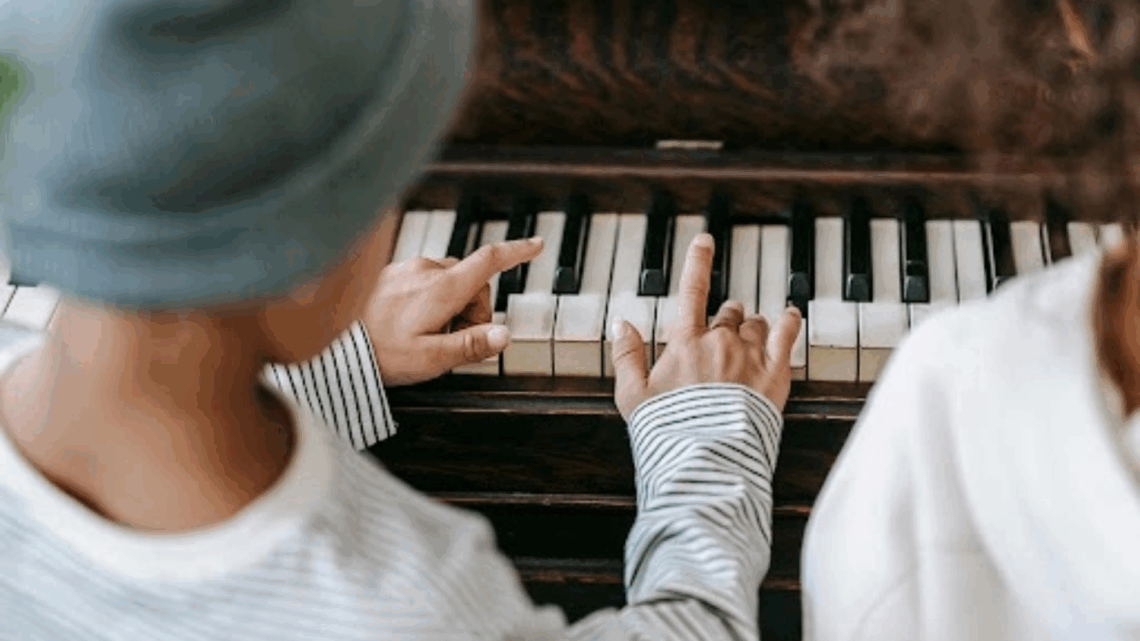
Pianos, violins, clarinets, and guitars once played by loved ones continue their musical legacy through future generations.
Family Recipes
Recipes are unique heirlooms that can be shared by everyone. They preserve cultural traditions and bring families together around shared meals.
Photographs
From modern snapshots to antique portraits, photographs provide visual records of ancestors and cherished moments.
Documents and Letters
Diaries, letters, and scrapbooks offer intimate glimpses into the lives and personalities of those who came before us.
Military Memorabilia
Medals, uniforms, dog tags, and service records honour the sacrifices and bravery of family members who served.
Collections
Coins, stamps, figurines, books, and trading cards often reflect lifelong passions that live on through future generations.
Art
Paintings, drawings, sculptures, and handmade creations hold deep emotional meaning and often become centrepieces in family homes.
Stories and Traditions
Stories told at gatherings, family jokes, and shared traditions are intangible heirlooms that keep memories alive.
How to Preserve and Protect Your Heirlooms
To ensure your heirlooms remain meaningful for generations, consider the following steps:
1. Document Their History
Record the story behind each heirloom — who owned it, where it came from, and why it matters.
2. Store Items Properly
Use protective cases, climate-controlled storage, and professional preservation methods when needed.
3. Include Heirlooms in Your Will
Clearly state who should receive specific items to avoid family disputes.
4. Share Their Stories
Tell younger family members about the meaning behind each heirloom.
5. Digitise Important Records
Scan photographs and documents to create secure digital backups.
Frequently Asked Questions
What qualifies as an heirloom?
Any item, document, or tradition passed through generations with sentimental or historical value can be an heirloom.
Are heirlooms always valuable?
No. Most heirlooms are valuable because of emotional significance, not financial worth.
Should heirlooms be listed in a will?
Yes. Including heirlooms in your will helps ensure they go to the intended recipients.
How can I protect fragile heirlooms?
Use archival storage, avoid direct sunlight, and seek professional conservation advice when needed.
Conclusion: Keeping the Past Alive for the Future
Heirlooms are gifts of the present that remain forever linked to the past.
They preserve memories, strengthen identity, and connect generations through shared history and love. Whether it is a piece of jewellery, a handwritten letter, a treasured recipe, or a beloved story, each heirloom carries a piece of your family’s soul.
By caring for these treasures and passing them on thoughtfully, you ensure that your family’s legacy continues to inspire future generations.